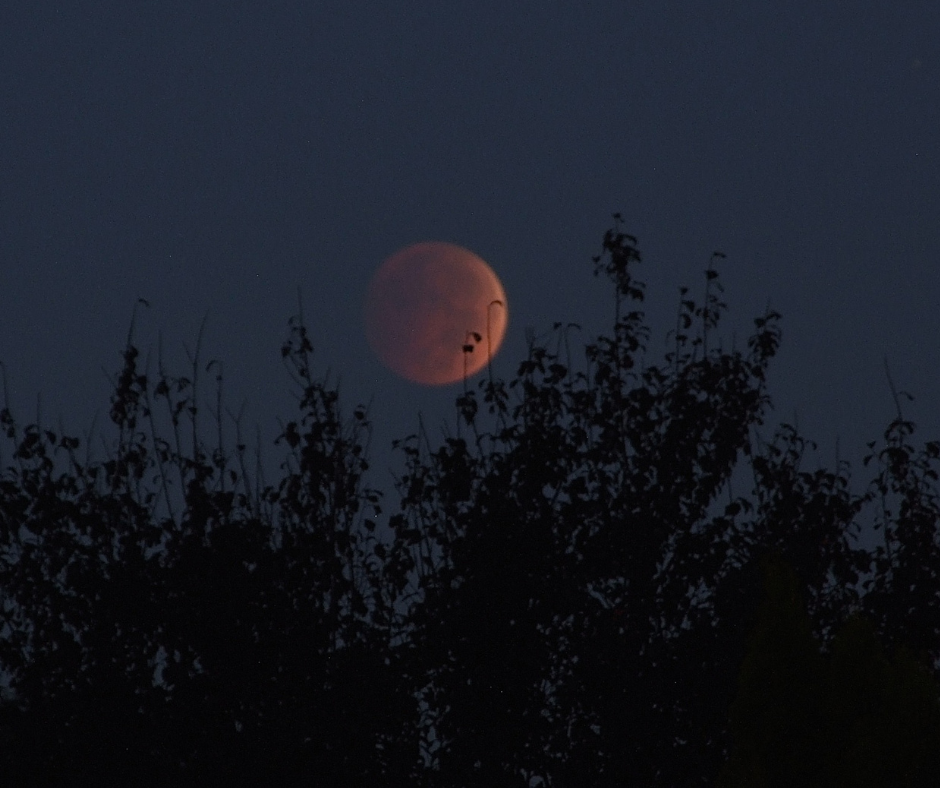
It will be eyes to the skies early on Tuesday March 3rd as skywatchers get a double celestial treat. A total lunar eclipse will line up with the month’s full moon. It is known as the “worm moon” and will be visible across North America.
It may not stop there. Moisture in the air could result in a third phenomena – a moonbow. According to the Old Farmer’s Almanac, the creation of moonbows are similar to that of rainbows. However, instead of sunlight refracting through moisture in the air, moonbows are a result of moonlight.
A lunar eclipse happens when the Earth passes between the moon and the sun. The moon will pass through the shadow cast by Earth, resulting in the lunar eclipse. For a total lunar eclipse to happen, the moon needs to be full when the moon is on the opposite side of the Earth from the sun.
According to www.timeanddate.com the eclipse will be visible in Ontario at 3:44 a.m. and end at 6:39 a.m as the moon sets.
Penumbral begins: 3:44 am (The Moon passes through the Earth’s faint outer shadow)
Partial begins: 4:50 am (The moon passes partially into the dark central shadow)
Full begins: 6:04 am (The moon passes completely into the dark central shadow and turns red)
Maximum: 6:33 am
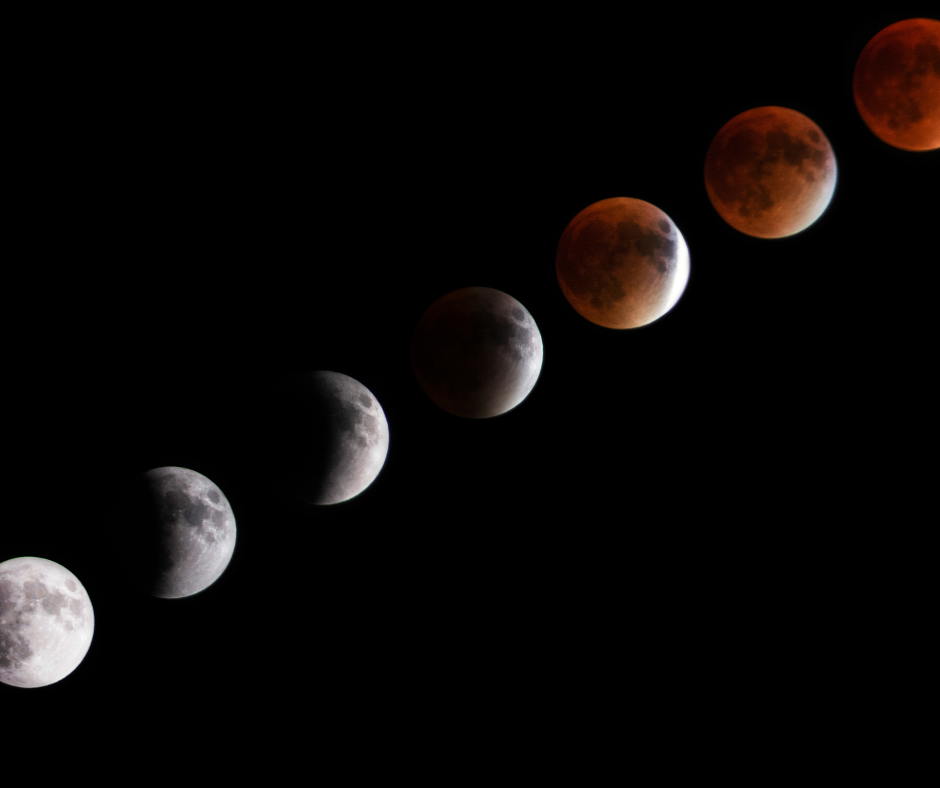
The entire eclipse will last around five and half hours, with the moon turning red for nearly an hour, according to The Weather Network meteorologist Scott Sutherland. The red moon – known as the blood moon – looks red because of stray bits of sunlight filtering through Earth’s atmosphere.
Unlike a solar eclipse, you can view a lunar eclipse without eye protection. People watching can use a telescope or binoculars, or even take photos of the eclipse with a mobile phone.
So far, the weather forecast appears to be in our favour. The Weather Network indicates that much of the country will have clear or at least partly clear skies overnight from Monday into Tuesday, and through Tuesday morning. The next total lunar eclipse visible in Ontario won’t be until June 26, 2029. Other parts of Canada will see one on Dec. 31, 2028.
However, if we don’t get a good view due to cloud cover, there are two more events happening this year. According to NASA, a partial solar eclipse will occur on August 12th and will be visible from Europe, Asia, Africa, North America and South America, as well as on the Atlantic and Arctic oceans. A partial eclipse happens when the sun and the moon aren’t perfectly aligned. This results in only part of the sun being hidden by the moon.
There will be a total solar eclipse this year on Aug. 12, but it won’t be visible from North America. The next total solar eclipse visible from Canada will occur on August 22, 2044.
A partial lunar eclipse will be visible in Ontario August 27th-28th. A partial lunar eclipse occurs when the Sun, Earth, and Moon are not perfectly aligned, causing only a portion of the Moon to pass through the Earth’s central, darkest shadow (the umbra). This creates a dark, “bitten” appearance on part of the Moon, while the rest remains in the lighter, outer shadow.