

“My brother died because a dangerous driver was allowed to keep driving. Andrew deserved better, and families deserve real protection. Andrew’s Law makes sure of it.”
Jordan Cristillo will forever grieve the loss of his brother, Andrew Cristillo. Andrew, 35, was killed in early August in a head-on crash in Whitchurch-Stouffville, where his wife and three young daughters were injured as well.
The Government of Ontario is planning to introduce a lifetime ban for those found guilty of dangerous driving causing death, part of a broader justice bill tabled Tuesday afternoon. Part of the legislation will include measures called Andrew’s Law.
“No family should ever face the heartbreak of losing a loved one or the trauma of a life-changing injury because of a dangerous and careless driver,” said Prabmeet Sarkaria, Minister of Transportation. “These proposed changes will deter reckless behaviour, hold offenders accountable and make our roads and highways safer.”
The government is proposing measures that will:
- Impose a lifetime licence suspension for anyone convicted of dangerous driving causing death.
- Allow police to immediately suspend a driver’s licence for 90 days and impound a vehicle if they have reason to believe a person is driving dangerously.
- Increase fines and vehicle impoundment periods for driving with a suspended licence:
- First offence: 14-day vehicle impoundment and $2,000–$10,000 fine
- Second offence: 30-day vehicle impoundment and $5,000–$15,000 fine
- Third and subsequent offence: 45-day vehicle impoundment and $10,000–$20,000 fine
- Introduce a new seven-day roadside licence suspension for careless driving and a 30-day suspension for careless driving causing bodily harm or death. Fines would also increase to $1,000–$5,000 (up from $400–$2,000) upon conviction for careless driving.
- Enhance road safety education for young and novice drivers.
Increase fines to double the current amount and impose longer licence suspensions upon conviction for distracted driving while operating a commercial vehicle:
- First offence: seven-day suspension and $1,000–$2,000 fine
- Second offence: 14-day suspension and $1,000–$4,000 fine
- Third and subsequent offence: 60-day suspension and $1,000–$6,000 fine
- Increase minimum fines for speed limiter offences on commercial vehicles from $250 to $1,000, including operating a commercial vehicle without a functioning speed limiter.
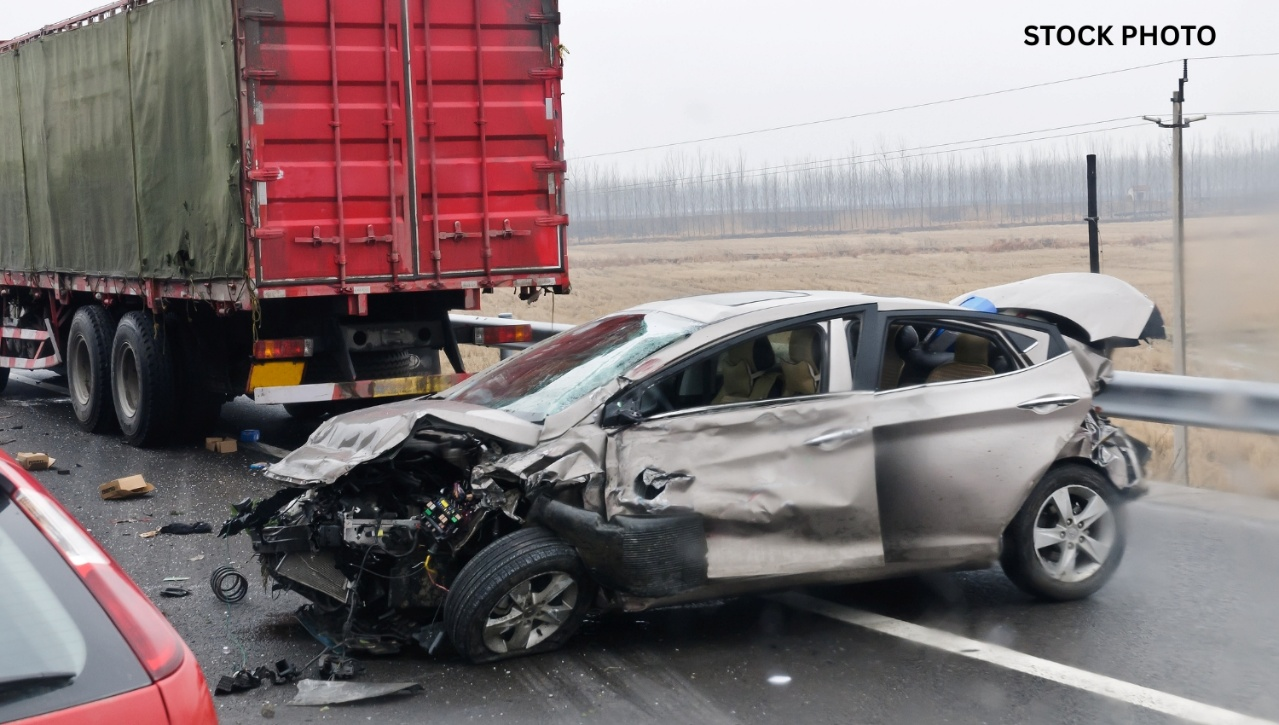
Large trucks are involved in one in five Ontario roadway fatalities each year.
“The Ontario Trucking Association is primarily focused on supporting measures that increase highway safety and strengthen penalties for high-risk offenders and repeat violators of our traffic laws,” says Mark Bylsma Chair of the Ontario Trucking Association. “It’s now more important than ever to increase oversight and ensure compliance. We’re particularly encouraged the Bill would increase minimum fines for offences related to enforcement of speed limiters on commercial vehicles. These devices are meant to protect the travelling public from speeding trucks, and we welcome meaningful fines for violating the speed limiter requirement.”
The government is also exploring measures to crack down on dangerous driving and support family members of those killed by impaired driving. This includes consulting on measures that would make impaired drivers who cause the death of a parent or guardian responsible for financial support of the victims’ children.
Ontario’s roads have ranked among the safest in North America for 25 years, with one of the lowest fatality rates per 10,000 licensed drivers. Last year, the province announced stricter measures against impaired driving, including a lifetime driver’s licence suspension for anyone convicted of impaired driving causing death, and the mandatory installation of ignition interlock for anyone convicted of impaired driving.
“MADD Canada understands the impact of a loved one being killed or being catastrophically injured because of the choice of someone else,” says Steve Sullivan CEO of MADD Canada. “Motor vehicle crashes remain a significant public safety issue, and more people die on Ontario roads than are killed by all forms of homicide. Road safety must continue to be a priority for governments and law enforcement.”

